
Table of Contents
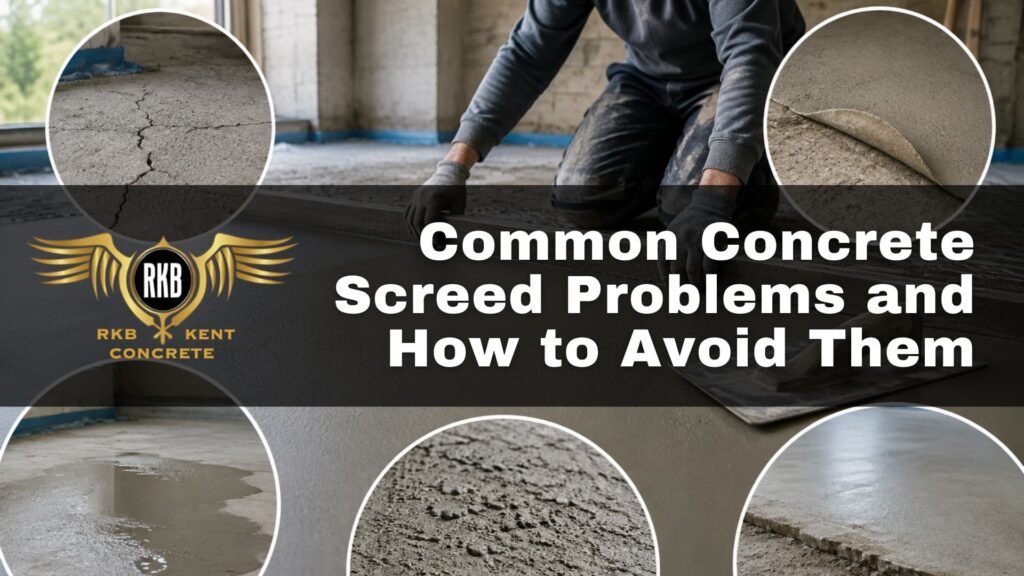
Common Concrete Screed Problems and How to Avoid Them
Have you ever faced a situation where you are walking on a new floor Ever walked across a new floor and felt it wobble, dip, or crack under your feet just months after it was laid? That sinking feeling (quite literally) is exactly why so many homeowners and builders end up searching for answers about concrete screed problems. A screed floor should feel solid, smooth and dependable for years. When it doesn’t, it usually means something went wrong at the mixing or laying stage. The good news is that most screed issues are entirely avoidable once you know what causes them. In this guide, we’ll walk through the most common screed troubles, why they happen, and simple ways to stop them before they start.
Concrete Screed Problems That Homeowners Run Into Most Often
Screed might look like a simple layer of cement and sand, but it plays a huge role in how your final floor performs. A poor screed job can cause hollow sounds, cracking tiles, or flooring that never sits flush. Understanding the root causes helps you avoid a costly redo later on.
1. Why Does Concrete Screed Cracking Happen?
Cracks are the most talked-about of all screed cracks issues, and there’s a simple reason for it: screed dries and cures over time, and if that process is rushed or uneven, tension builds up in the surface. Common triggers include laying the screed too thick in one go, poor curing conditions, or applying weight on the floor before it’s properly set. Temperature changes and moisture in the sub-base can also pull the surface in different directions, leaving thin hairline cracks or, in worse cases, deeper splits across the room.
2. How to Fix the Cracked Screed?
Small hairline cracks are often cosmetic and can be filled with a suitable repair compound once the area is cleaned and dried. Larger or spreading cracks need a proper inspection first, as they may point to a weak sub-base or a screed mix that wasn’t right for the job. In these cases, it’s best to bring in an experienced screeding team who can assess whether patch repair is enough or whether a section needs to be lifted and relaid.
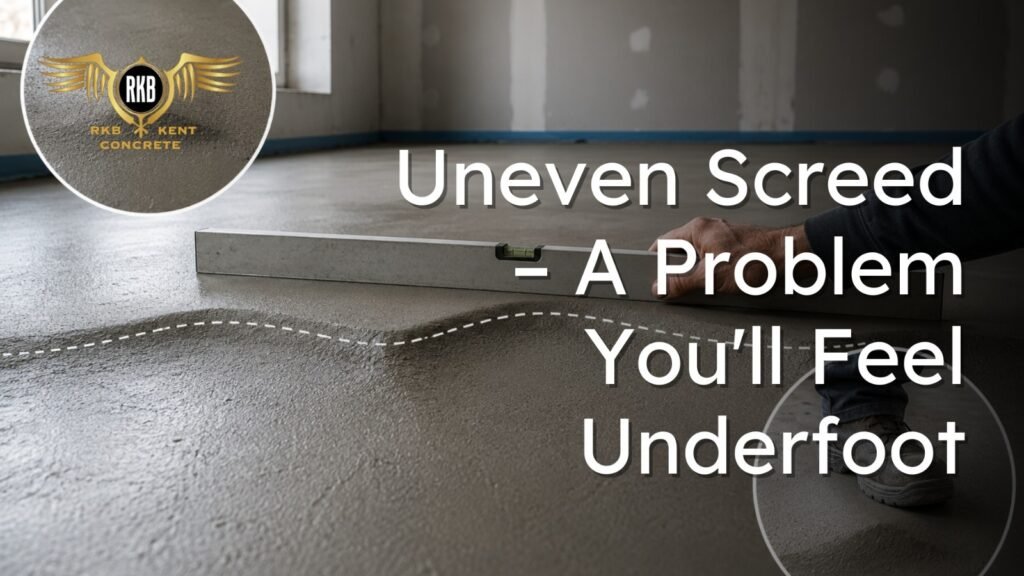
3. Uneven Screed – A Problem You’ll Feel Underfoot
An uneven screed is usually noticed straight away, either as a floor that slopes slightly or as flooring that won’t lie flat. This tends to happen when the base wasn’t properly levelled before pouring, or when the mix was applied inconsistently across the room. It can also occur if the screed wasn’t given enough time to settle before the next stage of work began. The fix starts with getting the groundwork right: a level sub-base, the correct screed depth, and steady, careful application from an experienced hand rather than a rushed job.
4. Screed Repair – Knowing When to Call the Professionals
Not every screed problem needs a full replacement, but knowing the difference between a quick repair and a bigger job matters. Signs that call for professional screed repair include hollow-sounding patches when you tap the floor, visible dips, crumbling edges, or cracks that keep growing. Attempting a DIY fix on these can sometimes hide the real issue rather than solve it. A professional team will check moisture levels, the sub-base condition, and the original mix design before recommending the right repair method.
Screeding Mistakes That Cause Problems Later
Many screed issues trace back to a handful of avoidable screeding mistakes made during installation:
- Mixing the wrong ratio of cement, sand and water, which weakens the finished surface.
- Laying screed too thick or too thin for the intended flooring above it.
- Skipping proper curing time, which leaves the surface vulnerable to cracking.
- Ignoring the sub-base preparation, leading to uneven or unstable floors.
- Ordering the wrong screed type for underfloor heating or heavy-traffic areas.
Avoiding these mistakes usually comes down to one thing: working with a supplier and screeding team who understand the mix, the site conditions, and the finish you need.
Conclusion
Concrete screed problems are frustrating, but they’re rarely mysterious once you understand the causes. Cracks, uneven patches, and weak spots almost always trace back to preparation, mix quality, or curing time, and each of these is manageable with the right knowledge and the right team on site. Whether you’re planning a brand-new floor or trying to sort out an existing one, getting sound, expert advice early on genuinely saves both time and money down the line.
If you’d rather leave the guesswork to the professionals, RKB Kent Concrete can help you avoid concrete screed problems from the very start, with reliable ready mix screed, expert advice on thickness and mix design, and a skilled screeding team who get it right the first time. Visit www.rkbkentconcrete.co.uk today to request your free quotation and give your floor the solid start it deserves.
FAQ’s
Q.1. What causes concrete screed to crack?
Screed usually cracks due to rushed curing, laying it too thick, early weight on the surface, or moisture and temperature changes in the sub-base.
Q.2. Can an uneven screed be fixed without replacing it? Often, yes. Minor unevenness can sometimes be corrected with a levelling compound, but larger dips may need a section relaid by a professional.
Q.3. How soon can I walk on a new screed floor?
It depends on the mix and thickness, but screed generally needs several days to harden and weeks to fully cure before heavy use.
Q.4. Is DIY screed repair a good idea?
For small hairline cracks, simple repair kits can work. For deeper cracks or hollow patches, it’s safer to get a professional assessment first.